THE RIGGING LINE
"Check the phone," I said. My lip was split against my lower teeth, filling my mouth with the flat, coppery taste of rust.
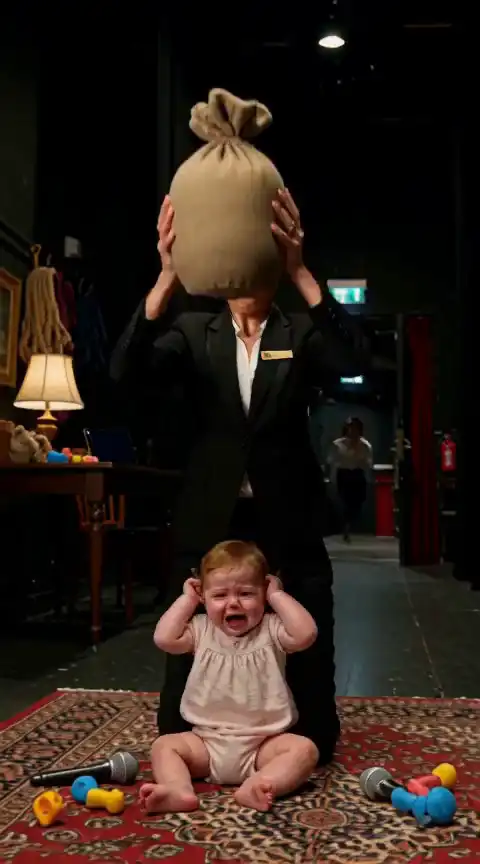
Claire stayed planted over me, her chest heaving against the grey wool of her dress, her palms still balled into white-knuckled fists. Behind her, Ivy let out a ragged, hiccuping wail, the sound of a one-year-old who had just inhaled half a cup of pulverized masonry dust.
Marissa’s chin jerked. Her gaze snapped from my face toward the ladder-back chair tucked behind the prop table. Propped between a roll of black gaffer tape and an iron C-clamp, an old screen was angled slightly upward, a pinprick of white LED burning steady beside its top bezel.
"Is that recording?" Marissa whispered. Her hand drifted down from pointing at me, fingers curling back into her palm until her nails dug into her skin.
"Check the phone, Claire," I repeated. I pushed myself up to one elbow, feeling the grit of the burst sandbag grinding between my denim knees and the pine planks. The tool belt around my hips clinked—crescent wrench against linesman pliers—the only metal sound in the dead hush behind the red velvet main drape.
Claire didn't move toward the chair. She dropped to her knees beside Ivy first, sweeping the child into her lap with a desperate, clumsy scoop. She ran her hands down the baby’s pale cotton romper, brushing the grey silt off Ivy’s bare ankles, checking the tiny knees for blood. Ivy buried her face into Claire’s clavicle, her small fists twisting into the knit fabric. Only after Claire had counted all ten toes and felt the steady rise of Ivy's ribcage did her eyes track back to me, hard and cold as theatrical glass.
"You dropped iron over my daughter," Claire said, her voice shaking low in her throat. She had run the donor relations desk here for five years; I had never heard her drop below a polished, mid-Atlantic hum until right now. "You were adjusting the border lights. You missed a cleat."
"Look at the hitch," I said, gesturing with my chin toward the dead-rope swinging five feet above our heads. "The snap-hook is clipped to the batten. It didn't slip a cleat. It was unhitched by hand."
Marissa smoothed the front of her black dress, though her gallery badge was pinned crooked now. "Claire, darling, he’s covering. He was rushing the preset for the seven-o'clock patron tour. You know how these crewmen treat the safety margins when they’re behind. I walked back here to bring Ivy her teething ring and I found him fumbling with the overhead tie-off. When I screamed at him, he lost his grip."
"You brought her a ring?" I asked, spitting red onto the floorboards. "Show her the ring, Marissa."
Marissa’s jaw locked. Her hands remained flat against her thighs.
"Get the phone," I told Claire. "I run time-lapse on line-set four every afternoon because the fly-rail has a tension leak the union hasn't cleared yet. I started that feed forty minutes ago when the house lights went to half."
Claire stood up slowly, shifting Ivy’s weight onto her left hip. Her low heels clicked across the unfinished oak, sharp and rhythmic, until she stopped in front of the chair. She didn't pick up the device right away. She looked down at the lens, then at the grease smeared across my knuckles, then at the tear in the heavy canvas bag lying ruptured on the prop rug.
"The passcode is zero-eight-one-two," I said.
Claire tapped the glass with her thumb. The pale glare illuminated her cheekbones, washing out the warmth of her blonde hair. The audio kicked in through the tiny speaker—tinny, hollow, but unmistakable against the silence of the wings.
First came the distant hum of the ventilation shafts. Then, the rhythmic thump of Ivy’s bare heels kicking the floorboards. Then the heavy, deliberate footfalls of someone entering from stage left.
On the screen, Marissa stepped into the frame, her dark bun neat, carrying nothing. She didn't look down at Ivy with concern; she stopped three feet away, staring at the child like she was a stain on a rented tablecloth. On the recording, Ivy let out a sharp, persistent screech—the kind of bored, tired cry a baby makes when she’s been left on a prop rug for twenty minutes while her mother reviews guest lists in the greenroom.
Then came Marissa’s voice, amplified and harsh through the tinny speaker: "Shut up!"
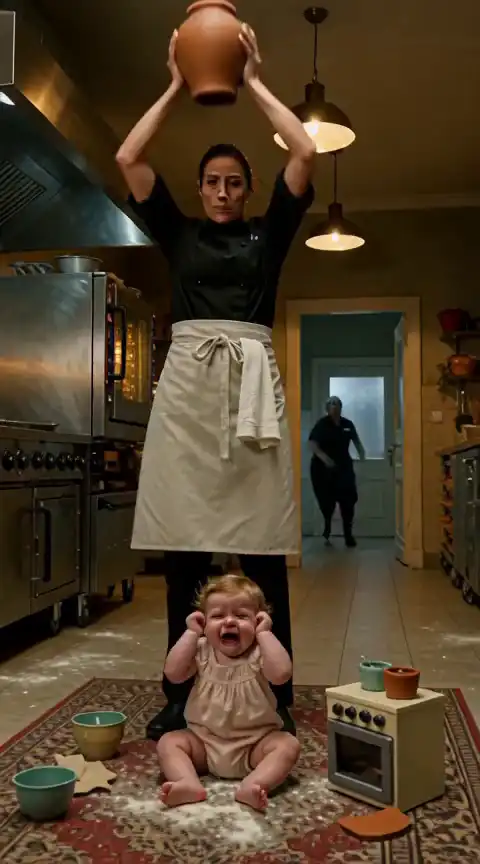
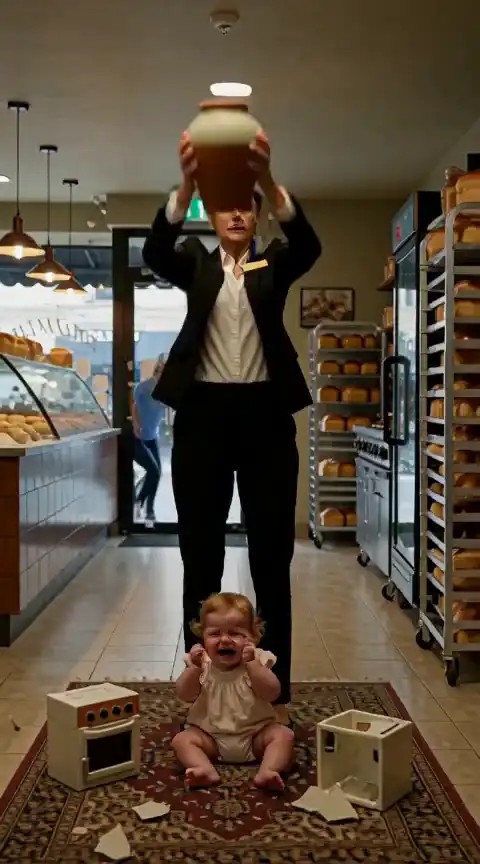
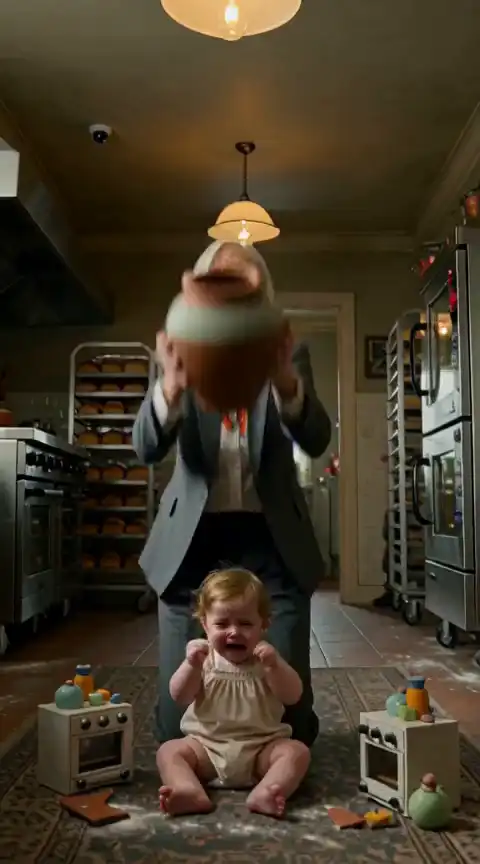
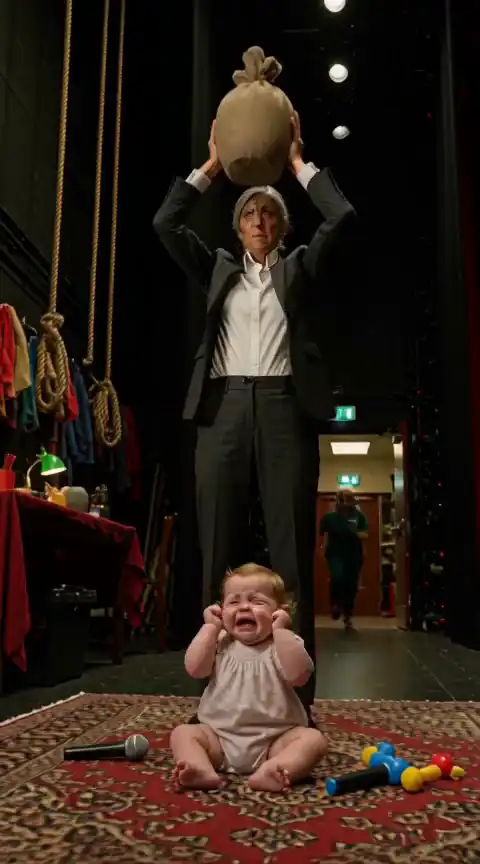
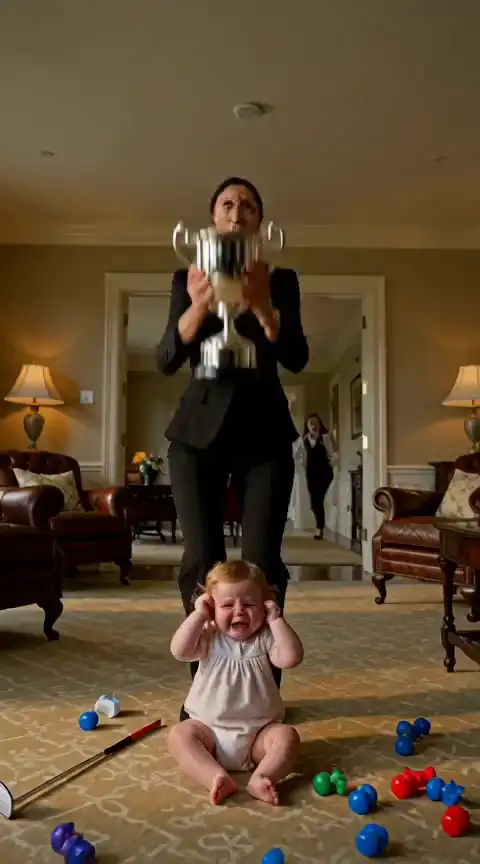
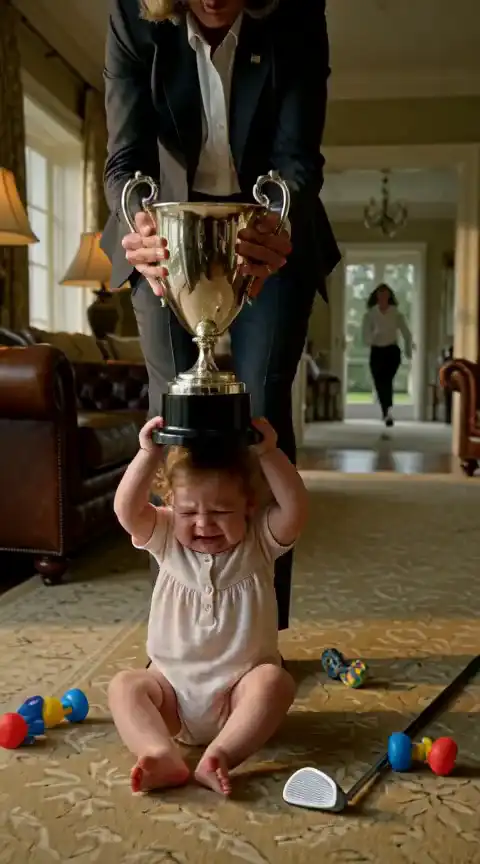
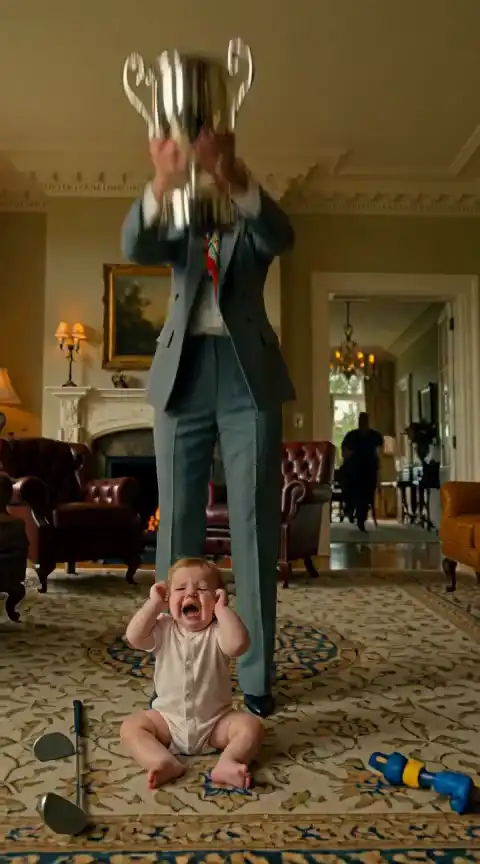
On the video, Marissa didn't fumble with an overhead rope. She walked directly to the tie-off pin, threw her weight into lifting the canvas bag free from the belay pin, and hoisted it two feet above the baby's head with both arms locked.
Claire’s thumb froze on the screen. She didn't gasp. She just stopped breathing.
In the dim light of the wings, Marissa took half a step backward, toward the heavy black traveler curtain that opened onto the backstage corridor. "Claire, listen to me. That child has been screaming through every donor rehearsal for three days. You brought her into the hall during the Thorne Foundation walkthrough. You think they’re going to fund an endowment for an executive director who uses the wings as a nursery?"
"You had forty pounds of lead over her head," Claire said. She didn't yell. The words came out flat, dead, like nails being driven into cedar.
"I was going to drop it on the boards to startle her," Marissa said, her tone suddenly frantic, thin and sharp. "I wasn't going to hit her! I was going to make enough noise to prove you couldn't keep her back here! You were going to lose the department head chair, Claire. You were going to step down, and the board was finally going to look at my curatorial slate—"
"Get out," Claire said.
"Claire, the board meeting is in twenty minutes—"
"Get out of this theater before I take that iron wrench off his belt and put it through your windshield."
Marissa looked at me, then down at Ivy, who was still sniffling against her mother's neck. Nobody moved. The distant glow from the footlights caught the brass edge of Marissa’s gallery badge as she turned, her heels catching once on the cable ramp before she disappeared through the double crash doors into the alleyway.
The door clicked shut. The draft from the alley died down, leaving only the smell of old dust, dry rot, and the sharp iron tang of my split lip.
Claire stood by the ladder-back chair for a long moment, the phone still glowing in her hand. Then she walked back toward the burst sandbag. She set the phone down on the corner of the prop table and looked down at me where I was still sitting on the pine floor, leaning my back against the counterweight arbor.
"Your mouth is bleeding," she said.
"Yeah."
"I hit you."
"Yeah. You did."
She reached down with her free hand, her fingers trembling slightly, and offered me her wrist to pull against. I looked at her hand, then shook my head and used the steel upright of the fly-rail to haul myself to my feet. My knees felt hollow, and my palms were weeping clear fluid where the rope had peeled the top layer of skin away.
"I didn't know," she whispered, her face turned toward Ivy's hair. "I heard the crash from the greenroom. I came through the door and she was standing there pointing at you."
"You didn't ask," I said. I pulled my cotton bandana from my back pocket, pressed it against my lip, and winced as the rough fabric caught on the torn skin. "You never ask the crew. You just see a broken prop and look for the guy in the black shirt."
Claire pulled her shoulders back. The executive mask tried to slip back over her features, but it didn't fit right; her grey dress was covered in grey lead dust, and her daughter was clutching her collar like a vise. "I'll call the house manager. We'll cancel the seven-o'clock tour. I'll tell the board what happened with Marissa."
"Do what you want with the board," I said.
I bent down, my back screaming, and picked up the burst canvas bag by its remaining ear. Lead shot trickled from the torn seam, pattering against the floor like dry peas. I hauled it over to the scrap bin behind the curtain, dropped it inside with a dull, hollow thud, and unclipped my linesman pliers from my belt.
"Where are you going?" Claire asked as I turned toward the stage door.
"Line-set four needs a fresh tie-off before the curtain goes up at eight," I said, not looking back at her. "And you need to keep your kid off my deck."